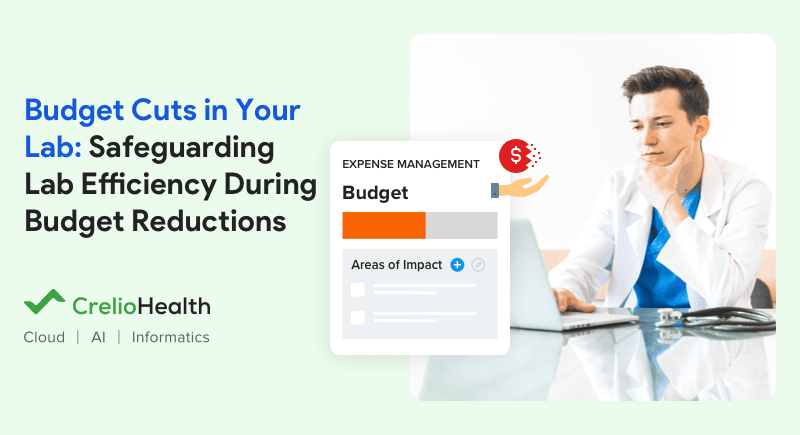
Managing day-to-day operations during budget cuts is a complex challenge, especially in medical labs. Financial constraints make it difficult to acquire new instruments, cover consumables, and maintain routine operations. Whether driven by government policy, economic downturns, or shifting healthcare priorities, these reductions threaten the very core of lab operations. Yet, efficiency and quality do not have to be casualties of financial constraints. Instead, they can be the catalysts for innovation, resilience, and smarter resource management.
This blog delves into the proactive strategies that medical laboratories can employ to optimize resources, streamline workflows, and maintain high-quality services, even when the lab budgets are tight.
1. Assessing the Current Landscape: Understanding the Impact of Budget Cuts
Before charting a path forward, it’s essential to understand the full scope of how budget cuts influence the laboratory environment. From lab staff to equipment, every aspect of lab operations can be affected, making it crucial to assess where vulnerabilities lie and where opportunities for optimization exist.
A recent survey by the American Society for Clinical Pathology found that 85% of labs reported moderate to severe staffing shortages, exacerbated by budget constraints.
I. Identifying Areas of Impact during Budget Cuts
Understanding where cuts are most felt allows lab managers to prioritize interventions and allocate resources judiciously. Common areas affected include:
- Lab Personnel : Staff layoffs, reduced hours, or hiring freezes can strain the workforce, leading to increased workloads and potential burnout.
- Supplies and Reagents : Limited funding may result in stock shortages, increased reliance on less expensive or lower-quality materials, and delays in procurement.
- Equipment and Maintenance : Aging infrastructure or deferred upgrades, delayed servicing, and recalibrations can compromise accuracy and efficiency.
- Facility Maintenance and Utilities : Energy-saving measures and deferred maintenance can impact the environment and operational stability.
- Training and Development: Cuts in training budgets may lead to skill gaps, affecting test accuracy and safety.
II. Evaluating Current Efficiency Levels
To address budget cuts effectively, labs must first shine a light on their current operations. A rigorous evaluation of workflows, resource allocation, and turnaround times can reveal hidden inefficiencies and untapped strengths, providing a data-driven foundation for improvement.
- Workflow Analysis : Map out all processes from sample collection to reporting to further identify bottlenecks, redundancies, and delays.
- Turnaround Times (TAT) : Monitor average TATs and identify causes of delays and inefficiencies.
- Resource Utilization : Analyze overall equipment usage, reagent consumption, and staffing patterns.
- Error Rates and QC Data : Review quality control records to detect patterns that might indicate inefficiencies or risks.
III. Prioritizing Essential Services
Not all laboratory services are created equal; some are patient-critical, while others can be scaled back or temporarily suspended. By clearly defining and protecting core services, labs can ensure that quality and patient care remain uncompromised, even when resources are stretched.
- Core Diagnostic Tests : Maintain high-quality standards for tests that are critical for patient diagnosis and management.
- Elective or Low-Volume Tests : Consider temporarily scaling back or outsourcing low-priority tests that do not significantly impact patient outcomes.
- Service Continuity : Develop contingency plans to ensure uninterrupted core services, even if certain ancillary functions are reduced.
Prioritization ensures that limited resources are directed toward high-impact areas, safeguarding patient safety and care quality.
2. Strategic Approaches to Maintaining Efficiency with Reduced Budgets
Facing financial constraints doesn’t mean accepting lower standards. Instead, clinical labs can take it as a call to innovate and adapt. By strategically optimizing processes, leveraging technology, and empowering staff, labs can maintain and enhance efficiency despite budget cuts.
I. Workflow Optimization and Process Improvement
Every lab process, from sample collection to reporting, holds potential for improvement. By embracing Lean principles, mapping value streams, and cross-training staff, labs can eliminate waste, reduce errors, and create more agile workflows that thrive under pressure.
- Lean Principles : Lean methodologies, originally developed in manufacturing, have been successfully adapted to healthcare. The goal here is to eliminate waste, which refers to any activity that does not add value to the patient or process. Common forms of waste in labs include sample mix-ups, over-processing, excess inventory, and unnecessary movement.
- Value Stream Mapping (VSM) : VSM is a visual tool that maps out every step in a process, highlighting areas of delay or inefficiency. By involving frontline staff in VSM exercises, labs can uncover hidden bottlenecks and develop targeted solutions.
- Cross-Training : Cross-training staff to perform multiple roles increases flexibility and reduces reliance on specific individuals. This is especially valuable during staff shortages or unexpected absences.
A 2022 study in the Journal of Clinical Laboratory Analysis found that cross-trained teams improved workflow efficiency by 18% and reduced error rates by 12%.
- Automation Review : Automation can significantly enhance efficiency, but only if used effectively. Labs should regularly review their automated systems to ensure they are fully integrated and utilized. Where feasible and cost-effective, expanding automation for repetitive or high-volume tasks can free up staff for more complex work.
II. Smart Resource Management
When lab budgets tighten, every penny and every resource counts. Smart resource management through consolidated purchasing, strict inventory control, and energy-saving measures can stretch limited funds further without compromising service quality.
- Consolidated Purchasing : Negotiating bulk purchasing agreements and consolidating vendors can lead to substantial cost savings. Group purchasing organizations (GPOs) enable labs to leverage collective buying power for better pricing on reagents, consumables, and equipment.
- Inventory Management : Implementing stricter inventory controls minimizes waste from expired reagents and reduces unnecessary stockpiling. Barcode tracking, real-time inventory systems, and just-in-time ordering can all contribute to more efficient supply management.
- Equipment Utilization Review : Regularly assess equipment usage to identify underutilized instruments. Sharing equipment across departments or consolidating functions can maximize return on investment. For example, regional labs can reduce equipment costs by up to 15% through a shared-use model with local clinics.
- Energy Efficiency : Simple measures, such as turning off equipment when not in use, optimizing temperature settings, and investing in energy-efficient devices, can reduce utility costs.
The US Department of Energy estimates that energy-efficient practices can lower lab energy consumption by 30%.
III. Leveraging Technology and Data
Technology is a force multiplier in the modern lab. By fully utilizing laboratory information systems, embracing digital documentation, and making data-driven decisions, labs can unlock efficiencies and insights that manual processes simply can’t match.
- LIS Optimization : A fully utilized Laboratory Information System (LIS) is a powerful tool for managing workflows, automating reporting, and analyzing data. Ensure that all staff are trained to use the LIS effectively and that the system is configured to support current needs.
- Data-Driven Decision Making : Use LIS data to track key performance indicators (KPIs) such as TAT, error rates, and test volumes. Data analytics can identify inefficiencies, measure the impact of process changes, and support continuous improvement.
- Digital Documentation : Transitioning to digital records reduces paper costs, improves accessibility, and streamlines audits. Electronic document management systems also enhance compliance with regulatory requirements.
IV. Strategic Staff Management
Lab staff are the heart of every laboratory. Strategic staff management through skills assessment, targeted training, and flexible staffing models ensures that every team member is positioned to contribute their best, even when roles and workloads evolve.
- Skills Assessment : Regularly assess the skills and strengths of existing staff members. Redeploy personnel to areas where their expertise will have the greatest impact on efficiency and quality.
- Prioritize Training : Focus training efforts on areas that yield the highest returns, such as new technology, automation, or critical testing procedures. Online and in-house training modules can reduce costs while maintaining competency.
- Empower Staff : Encourage staff to identify inefficiencies and propose solutions. Frontline employees often have the best insights into workflow challenges and opportunities for improvement.
- Flexible Staffing Models : Consider part-time staff, job sharing, or temporary hires to manage fluctuating workloads without increasing permanent headcount. Flexible scheduling can also help retain experienced staff who may not be able to commit to full-time roles.
3. Areas to Carefully Evaluate for Potential Cost Savings (Be Cautious!)
Cost-cutting is sometimes necessary, but it must be approached with caution and care. Some savings can be achieved without harming quality, but others risk unintended consequences. Careful evaluation and stakeholder engagement are essential to ensure that cost-saving measures do not jeopardize patient outcomes.
I. Test Menu Optimization
Maintaining an extensive test menu can be costly and inefficient, especially for low-volume or rarely ordered tests. By critically reviewing and optimizing the test menu, labs can focus resources on high-impact diagnostics while minimizing unnecessary expenses.
- Review Low-Volume Tests : Analyze test utilization data to identify low-volume or rarely ordered tests. Consider outsourcing or discontinuing these tests, but carefully assess the clinical impact and consult with stakeholders before making changes.
- Clinical Impact Assessment : Work with clinicians to evaluate the necessity of each test. Ensure that any changes do not compromise patient care or diagnostic accuracy.
II. Outsourcing Non-Core Functions
Not every function needs to be managed in-house. Outsourcing administrative or highly specialized tasks can free up internal resources for core laboratory activities, but it’s vital to ensure that quality and cost-effectiveness are not compromised in the process.
- Administrative Tasks : Outsourcing functions such as billing, human resources, or IT support can free up internal resources for core laboratory activities. However, quality and cost-effectiveness must be carefully evaluated.
- Specialized Maintenance : Contracting external providers for equipment maintenance or calibration can be more cost-effective than maintaining in-house expertise, especially for specialized instruments.
III. Negotiating Service Contracts
Service contracts for equipment, maintenance, and support represent significant ongoing costs. Regularly reviewing and renegotiating these contracts can yield substantial savings, provided that labs remain vigilant about maintaining service standards.
- Review Existing Contracts : Regularly review and renegotiate service contracts for equipment, waste disposal, and other services. Seek better terms, discounts, or bundled services.
- Group Purchasing : Joining a GPO or consortium can enhance the bargaining power of lab stakeholders and lead to more favorable contract terms.
4. Maintaining Quality and Patient Safety During Budget Cuts
No matter how severe the budget cuts, quality and patient safety must remain non-negotiable. By doubling down on quality control, robust training, and vigilant monitoring, labs can ensure that financial pressures do not translate into clinical risks.
I. Prioritizing Quality Control
Quality control is the bedrock of laboratory medicine. Even in times of austerity, maintaining rigorous QC protocols is essential to safeguard patient outcomes and uphold the lab’s reputation for reliability.
- Non-Negotiable Standards : Quality control (QC) procedures must remain a top priority, regardless of budget constraints. Cutting back on QC can lead to inaccurate results, regulatory violations, and patient harm.
- Resource Allocation : Ensure that sufficient resources are allocated to critical QC activities, even if other areas might be scaled back. This will ensure patients’ trust and enhance the lab’s reputation.
II. Robust Training and Competency Assessment
Continuous training and competency assessments are vital to ensure that staff remain skilled and confident in their roles. Investing in people, even during budget cuts, pays dividends in accuracy, efficiency, and morale.
- Ongoing Training : Regular training and competency assessments are essential to maintain high standards. Use cost-effective methods such as e-learning, peer training, and simulation exercises.
- Regulatory Compliance : Ensure that all training and competency documentation meets regulatory requirements, reducing the risk of non-compliance penalties.
III. Clear Communication and Collaboration
Effective communication is the glue that holds laboratory teams together, especially during periods of change. Open channels and collaborative problem-solving help prevent errors and ensure that everyone is aligned on priorities and processes.
- Open Channels : Foster a culture of open communication among staff, clinicians, and administrators. Regular meetings, feedback sessions, and transparent decision-making help prevent errors and ensure smooth workflows.
- Interdisciplinary Collaboration : Work closely with other departments to coordinate care, share resources, and address challenges collectively.
IV. Vigilant Monitoring of KPIs
Key performance indicators (KPIs) provide an early warning system for labs under financial strain. By closely tracking these metrics, leaders can quickly identify and address any negative trends before they impact quality or patient care.
- Key Quality Indicators : Monitor KPIs such as TAT, error rates, specimen rejection rates, and customer satisfaction. Early detection of negative trends allows for prompt corrective action.
- Continuous Improvement : Use KPI data to drive continuous improvement initiatives, ensuring that quality and efficiency are maintained even during periods of financial constraint.
Conclusion
Budget cuts are an undeniable challenge for medical laboratories, but they do not have to dictate a decline in efficiency or quality. Instead, these financial pressures can serve as a catalyst for innovation, compelling labs to rethink processes, embrace technology, and foster a culture of continuous improvement. By rigorously assessing vulnerabilities, prioritizing essential services, and strategically optimizing workflows and resources, laboratories can not only weather the storm but also emerge stronger and more resilient. Ultimately, the labs that thrive under pressure are those that transform constraints into opportunities, mastering smarter resource management and adaptability as the new standards.