
Pain is universal, yet intensely personal. It can be fleeting or chronic, sharp or dull, physical or emotional. For years, clinicians have grappled with the challenge of understanding and alleviating pain. Traditional pain management, while helpful for many, is often imprecise, relying on subjective reports, trial-and-error medication adjustments, and generalized treatment protocols. The consequence? Too many patients suffer needlessly, endure side effects, or face risks like addiction.
However, a new era is emerging in pain management, driven by specialized laboratory testing. From pharmacogenomics to inflammatory marker analysis, advanced lab testing is helping clinicians identify the root causes of pain, predict medication responses, and tailor interventions with precision. By providing objective, actionable insights into each patient’s unique biology, these advanced tests are paving the way for more personalized, effective, and safer pain relief strategies.
1. The Complex Landscape of Pain
Pain is not just a symptom; it’s a multidimensional experience. It involves sensory, emotional, and cognitive components. Two people with the same injury can report vastly different pain experiences, influenced by genetics, mood, and past experiences.
Types of Pain
- Acute Pain : Short-term, often resulting from injury, surgery, or illness. It usually resolves as the underlying causes heal.
- Chronic Pain : Lasts for months or years, often persisting after the initial injury has healed. It can be caused by conditions such as arthritis, neuropathy, or may have no clear physical cause.
- Nociceptive Pain : Caused by tissue damage or inflammation (e.g., sprains, burns, arthritis).
- Neuropathic Pain : Results from nerve damage or dysfunction (e.g., diabetic neuropathy, shingles).
- Centralized Pain : Driven by changes in the central nervous system (e.g., fibromyalgia, migraine).
Did you know? Nearly 1 in 5 people worldwide suffers from chronic pain, according to the World Health Organization (WHO, 2023).
2. The Challenges of Traditional Pain Management
Traditional approaches rely heavily on subjective assessments, trial-and-error medication strategies, and generalized treatment protocols, which can lead to prolonged suffering, medication misuse, and suboptimal outcomes.
I. Subjectivity of Pain Assessment
Pain is inherently subjective. Clinicians typically depend on patients’ self-reported pain levels, which can be influenced by mood, stress, cultural factors, and communication barriers. This variability makes it difficult to gauge the true severity and nature of a patient’s pain, potentially leading to under- or overtreatment.
II. Trial-and-Error Treatment Approaches
Many pain management plans involve trying different medications or therapies to see what works. This process can be lengthy and frustrating, as patients may endure periods of inadequate relief or intolerable side effects before finding the right solution.
III. Risk of Medication Misuse and Side Effects
Opioid prescriptions, while sometimes necessary, carry significant risks of misuse, dependency, and adverse effects. Without careful monitoring, patients may inadvertently misuse medications or experience harmful drug interactions.
In the U.S. alone, over 100,000 people died from opioid overdoses in 2022, a stark reminder of the urgent need for safer pain management strategies.
IV. Difficulty in Identifying Underlying Causes
Chronic pain often stems from multiple, interwoven causes, musculoskeletal, inflammatory, neuropathic, or even metabolic. Standard diagnostic methods may miss these complexities, leaving patients without clear answers or effective treatments.
3. The Power of Specialized Lab Testing in Pain Management
Imagine a world where pain treatment is no longer a guessing game but a precise science tailored to your unique biology. Specialized lab testing is making this vision a reality by providing clear objectives and data-driven insights that identify the root causes of pain to further provide personalized therapies. This section explores the specialized tests that are reshaping how clinicians diagnose and treat pain.
I. Pharmacogenomics: Personalizing Medication Choices:
Pharmacogenomic testing analyzes a patient’s genetic makeup to predict how they will respond to specific pain medications, including opioids, antidepressants, and anticonvulsants. By identifying genetic variants that affect drug metabolism and sensitivity, clinicians can select the most effective medications and dosages for each individual. This approach minimizes side effects, reduces the risk of adverse reactions, and maximizes pain relief, moving away from trial-and-error toward precision medicine.
Key Benefits:
- Minimizes side effects
- Reduces the risk of adverse reactions
- Moves beyond trial-and-error, towards precision
II. Toxicology Testing: Medication Adherence and Identifying Substance Use
Comprehensive toxicology testing, using urine, blood, or oral fluid, enables clinicians to verify whether patients are taking prescribed medications as directed. It can also detect the presence of non-prescribed substances, flag potential drug interactions, and identify signs of misuse or diversion. This level of monitoring enhances patient safety and supports responsible prescribing.
Key Benefits:
- Enhances patient safety
- Supports responsible prescribing
- Prevents harmful drug interactions
III. Inflammatory Marker Testing: Understanding the Role of Inflammation
Inflammation is a common driver of chronic pain, yet it often goes undetected with standard tests. Specialized panels measuring markers such as C-reactive protein (CRP), erythrocyte sedimentation rate (ESR), and cytokines can reveal underlying inflammatory conditions like arthritis or autoimmune disorders. Identifying these markers allows clinicians to tailor anti-inflammatory treatments, target the root cause of pain, and track the effectiveness of interventions over time.
Key Benefits:
- Identifies root causes of pain
- Enables tailored anti-inflammatory treatments
- Tracks the effectiveness of interventions over time
IV. Micronutrient Testing: Addressing Nutritional Deficiencies
Nutritional status plays a crucial role in pain perception and healing. Deficiencies in key micronutrients such as vitamin D, B vitamins, and magnesium can contribute to chronic pain and hinder recovery. Specialized testing can uncover these deficiencies, enabling targeted supplementation that supports overall health and may enhance pain management outcomes.
Key Benefits:
- Uncovers hidden deficiencies
- Guides targeted supplementation
- Supports overall health and pain management
V. Advanced Lipid Panel: Assessing Metabolic Health
Metabolic health and chronic pain are closely linked. Advanced lipid panels provide a detailed picture of cholesterol subtypes and other lipid markers, offering insights into cardiovascular risk and potential metabolic contributors to pain. Identifying and addressing lipid imbalances can form part of a holistic strategy to improve both metabolic health and pain management.
Key Benefits:
- Provides detailed metabolic insights
- Identifies imbalances affecting pain
- Supports holistic pain relief strategies
VI. Gut Health Testing: Exploring the Gut-Brain Axis
The gut-brain axis is an emerging frontier in pain science. Comprehensive stool analysis can assess the health of the gut microbiome and identify imbalances that may drive inflammation and pain through immune and neurological pathways. By targeting gut health, clinicians can address hidden contributors to pain and support broader well-being.
Key Benefits:
- Evaluates Gut-Brain Axis
- Identifies digestive contributors to pain
- Guides use of probiotics, dietary changes, and more
VII. Heavy Metal Testing: Identifying Potential Toxicities
Exposure to toxic metals, such as lead, mercury, and arsenic, can cause neurological symptoms and chronic pain. Heavy metal testing helps identify harmful accumulations that might otherwise go undetected. Removing these toxins through medical interventions can alleviate pain and prevent further health complications.
Key Benefits:
- Detects toxic exposures
- Prevents further health complications
- Improves overall neurological health
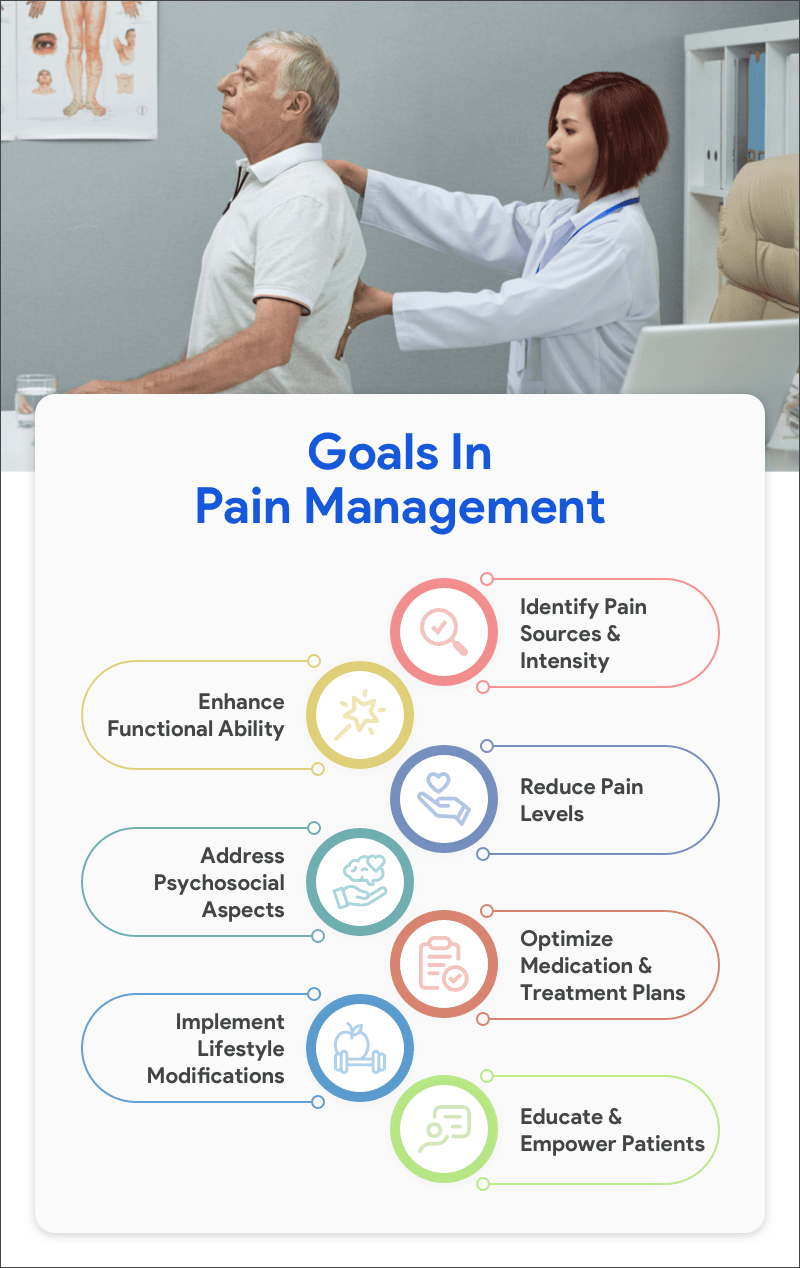
4. Benefits of Integrating Specialized Lab Testing into Pain Management
Integrating specialized lab testing into pain management isn’t just a technological upgrade; it’s a paradigm shift that enhances patient outcomes on multiple levels. From personalizing medication choices to improving safety and uncovering hidden causes, these tests empower clinicians and patients alike to take control of the pain journey with confidence and clarity.
I. More Personalized Pain Management Treatment Plans
Specialized lab tests provide objective, individualized data that empower clinicians to tailor treatment strategies to each patient’s unique biological profile. This level of precision leads to more targeted and effective interventions, reducing unnecessary trial-and-error and improving patient satisfaction.
II. Improved Medication Efficacy and Reduced Side Effects
Pharmacogenomics and toxicology testing enable clinicians to select the right medications at the right dosages, minimizing side effects and maximizing efficacy. Patients experience faster relief and fewer complications, while clinicians gain confidence in their prescribing decisions.
III. Enhanced Patient Safety
Toxicology testing plays a vital role in monitoring medication adherence and detecting potential misuse or dangerous drug interactions. This proactive approach helps prevent adverse events and supports safer, more responsible pain management.
IV. Earlier Identification of Underlying Conditions
Inflammatory markers and other specialized tests can uncover hidden conditions, such as autoimmune disorders or nutritional deficiencies, that contribute to chronic pain. Early identification enables timely intervention, improving outcomes and reducing the risk of long-term complications.
V. Objective Monitoring of Treatment Progress
Monitoring lab testing offers objective data to track the effectiveness of pain management interventions over time. Thereupon, clinicians can adjust treatments based on measurable changes, ensuring that patients receive the most effective care at every stage.
VI. Improved Communication Between Clinicians and Patients
Lab results provide a concrete foundation for discussions about treatment options and progress. Patients gain a clearer understanding of their condition and the reasoning behind their care plan, fostering trust and collaboration.
4. Considerations for Implementing Specialized Lab Testing
While the promise of specialized lab testing is immense, successful implementation requires thoughtful consideration. Choosing the right tests, interpreting complex results, balancing costs, and engaging patients are essential steps to ensure that these advanced diagnostics translate into meaningful improvements in care. This section outlines key factors to keep in mind when incorporating lab testing into clinical practice.
I. Appropriate Test Selection
Not every patient requires every test. Selecting the right tests depends on a careful assessment of the patient’s clinical presentation, history, and risk factors. Over-testing can lead to unnecessary costs and confusion, while targeted testing maximizes value and relevance.
II. Interpretation of Pain Management Test Results
Specialized lab results are only as useful as the clinician’s ability to interpret them in context. Ongoing education and collaboration with laboratory experts are essential to ensure that test results inform well, rather than complicating further clinical decision-making.
III. Cost-Effectiveness
While specialized testing can involve upfront costs, its potential to improve outcomes, reduce trial-and-error, and prevent complications may lower overall healthcare utilization in the long run. Careful consideration of cost-benefit ratios is essential, especially in resource-limited settings.
IV. Patient Education and Consent
Patients should be informed about the purpose, benefits, and implications of specialized lab testing. Transparent communication and shared decision-making ensure that patients are engaged, informed, and comfortable with their care plan.
Conclusion
Pain management is evolving from an art of educated guesswork to a science of precision. Specialized laboratory testing offers powerful new tools to personalize care, improve safety, and deliver lasting relief to patients who have long struggled with different types of pain. Modern tools can simplify pain management lab operations with advanced, automated & integrated lab solutions. Pain management lab software provides tailored reports for pain management, integrates with toxicology systems, and efficiently automates workflows. As these lab software become more widely adopted, the future of pain management looks brighter and more hopeful than ever before.